
“The federal Medicaid cuts are an absolute disaster for HCBS,” said Sabrina Epstein, a policy analyst at Disability Rights California. She said the cuts will push many people off Medicaid, leaving them without access to the only program that funds round-the-clock in-home support.
“People will be forced into nursing homes or left to rely on unpaid family care,” Epstein said.
During the Great Recession, the federal government gave states more money for Medicaid. Researchers at UCSF and the Disability Rights Education and Defense Fund examined what happened when Congress ended enhanced federal Medicaid funding to states between 2010 and 2012.
Every state responded by cutting home- and community-based services in some way — reducing benefits, the number of people covered, or both. Waiting lists for home care grew across the country.
California will not be able to absorb the loss if federal Medicaid cuts take effect in 2026, said Mike Pereira, executive director of Ala Costa Centers in Berkeley, which offers adult day services to people with developmental disabilities.
“We’re all bracing,” he said. “We’re watching the sand run out of the hourglass.”
Round-the-clock care
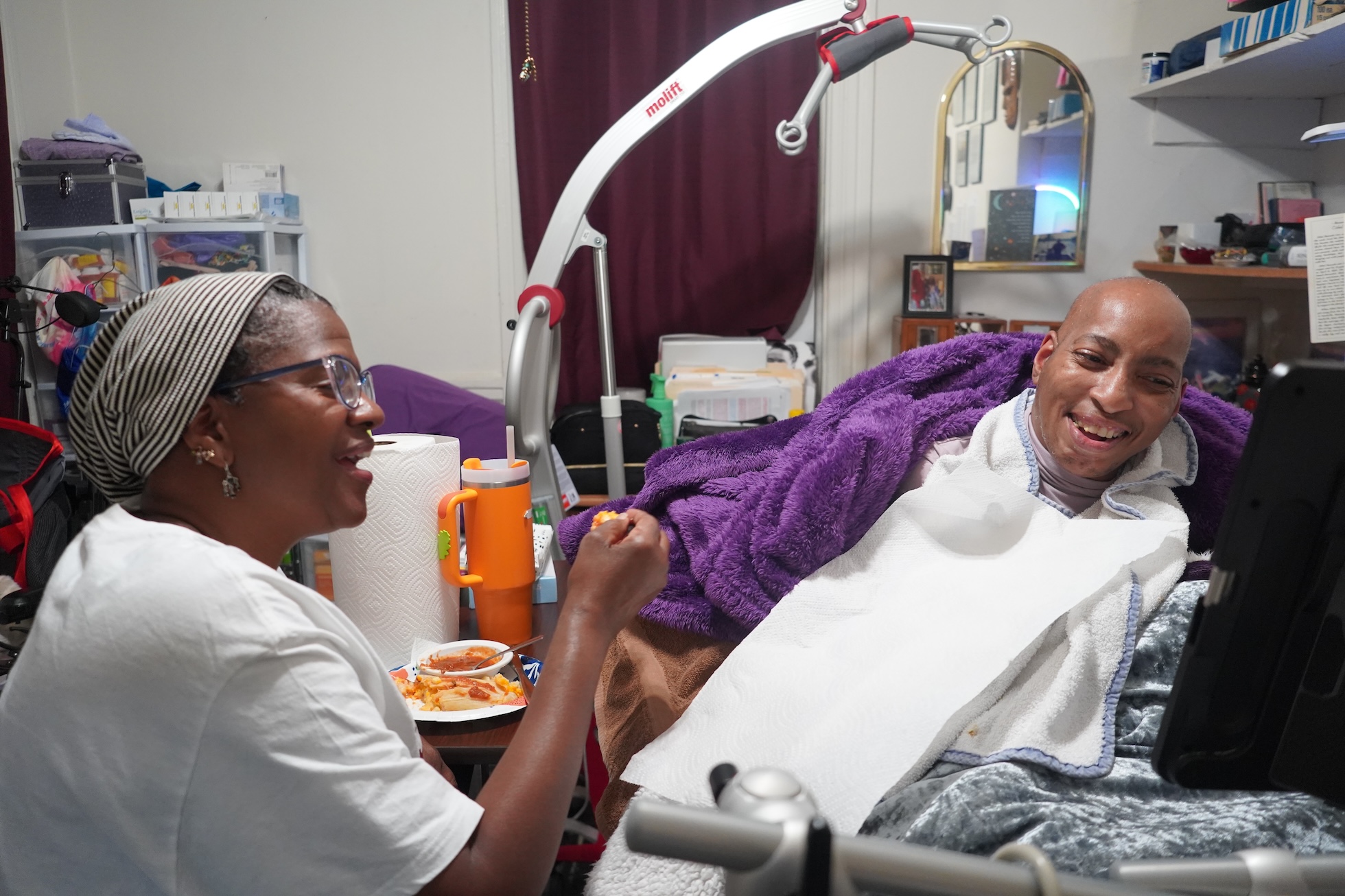
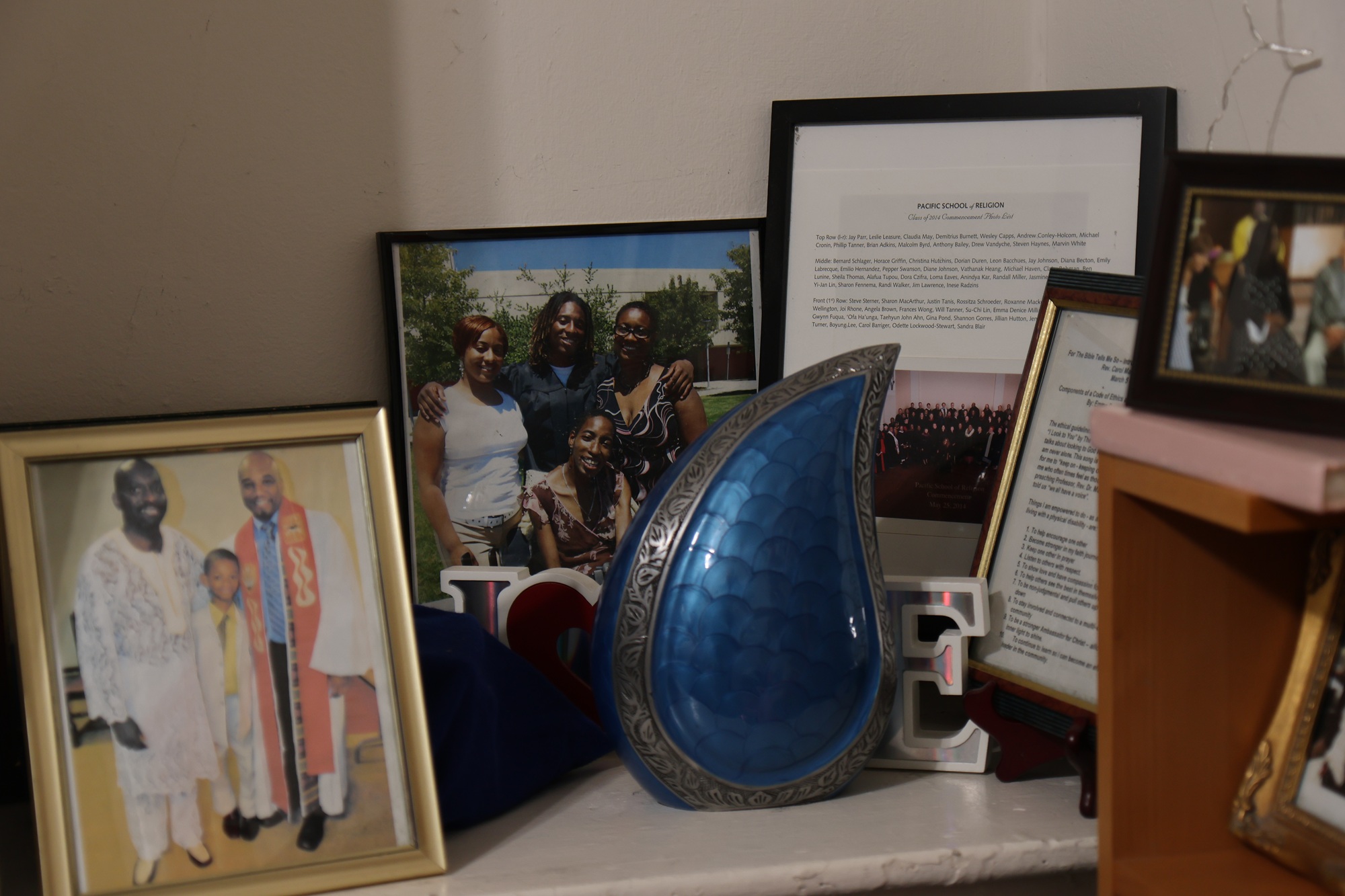
Milligan’s bedroom is crowded but intentional. A metal lift helps get her out of bed. A tray table holds adaptive cups and utensils. Framed photographs line the walls: Emma smiling at family gatherings, dressed up for celebrations, captured at different points in her life. One large portrait shows her late mother smiling for the camera.
Milligan’s uncle, Austin Long-Scott, is in his 80s and has Parkinson’s disease, which has increasingly limited what he can physically do. His wife, Ethel, is also in her 80s and not able to do as much as she used to do for Milligan.
“We used to stay with her 24/7,” Austin Long-Scott said. “We can’t do that anymore.”
In October, Milligan had a setback, spending weeks in the hospital as doctors struggled to manage severe chest and stomach pain. Kincy often stayed with her, helping communicate with nurses and doctors, monitoring pain levels and watching for changes.
Without IHSS, Long-Scott said, their options would be grim. Paying out of pocket to retain Kincy would be financially overwhelming.
Without a caregiver, Milligan would not be able to speak at churches and community organizations about disability justice or connect domestic violence survivors with resources, advocacy that she’s been committed to for more than a decade.
link